 |
| June 18, 2024 | Volume 20 Issue 23 |
Designfax weekly eMagazine

Archives
Partners
Manufacturing Center
Product Spotlight
Modern Applications News
Metalworking Ideas For
Today's Job Shops
Tooling and Production
Strategies for large
metalworking plants
Engineer's Toolbox:
5 considerations when selecting PSA tape for any substrate
To ensure optimal adhesion, consider these five questions when choosing a pressure-sensitive adhesive tape.
By Matt Tempelis, President, Engineered Materials Inc., Blaine, MN
To choose a pressure-sensitive adhesive (PSA) tape for an application, it is critical to understand the materials that will be bonded together and the application-specific environment. The level of adhesion, bond strength, and durability will vary depending on the combination of substrates and the type of PSA chosen. Answer these five important PSA tape selection questions to maximize your success.
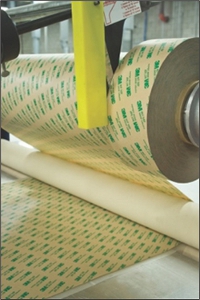
This PSA tape is laminated directly onto a removable liner. It bonds well to most substrates, which include difficult-to-bond, low surface energy plastics and powder-coated paints. [Credit: Engineered Materials]
1. What is the surface energy of the substrate?
The substrate surface energy is a relative measurement of the excess energy on the surface of a material. The importance of the surface energy in the bonding process cannot be overstated. The surface energy of a particular material predominately affects the adhesive wetting on PSA tape. This phenomenon determines the speed and adhesive distribution on the bonding surface, which affects the ultimate strength of the attraction. The higher the surface energy, the greater the attraction, which causes more wet-out that increases surface adherence. Conversely, the lower the surface energy, the lower the attraction, and the less the PSA wets out the substrate.
High surface energy materials with an excellent adhesive wet-out include:
- Aluminum
- Copper
- Stainless Steel
- Tin
- Glass
- Porcelain
Medium surface energy materials, including a range of plastics and paints, typically demonstrate good adhesive wet-out, such as:
- PVC
- Acrylic
- Nylon
- Polyester
- Polyurethane or epoxy paints
- Kapton (polyimide film)
- Phenolic
- ABS
Low surface energy materials are harder to adhere to because the attraction is not as strong. Low surface energy materials with poor adhesive wet-out include:
- Polystyrene
- Polyvinyl acetate
- Acetyl
- EVA
- Powder paints
- Polyethylene
- Polypropylene
- UHMW
- Tedlar (PVF)
- Teflon (PTFE)
2. What is the operating environment?
The final application environment of the bonded part is as equally important in a successful adhesion as the substrates themselves. Different environmental conditions create challenges for certain adhesive tapes, which, when not mitigated, may result in weaker bonds or even bond failure. It's important to ask to what conditions your PSA tape will be exposed. These may include:
- Solvents and chemicals can cause adhesive tapes to swell, soften, and even dissolve. If the substrates are often exposed to chemicals, it is best to consider acrylic adhesive tapes with a high cohesive strength, which makes them resistant to many solvents for extended periods.
- Plasticizers can cause adhesive tapes to soften, turn stringy, or become discolored over time. Choose a tape that is resistant to plasticizer migration, which prevents the tape from softening. Acrylic adhesive tapes are better than rubber tapes in this type of application.
- UV light exposure causes PSA tapes to become discolored and brittle over time and can also cause chemical degradation and adhesive failure. Different PSA tapes have varied levels of UV light resistance.
- Low temperatures/cold air causes some adhesive tapes to harden and become brittle. This not only reduces the adhesive tack, it can also lessen adhesive resistance to impact shocks. Cold temperature-performing PSA tapes are ideal for low temperatures. High temperatures/hot air causes adhesive softening and reduces the shear and cohesive strength of the tape. When bonding surfaces that will be exposed to heat or high temperatures, PSA tapes that can perform well in this type of environment, such as silicone foam tapes, should be used.
- Humid environments alongside temperature extremes can accelerate tape aging. High humidity can cause moisture absorption in the tape, which can weaken the internal strength and lead to bond failures.
3. How rough is the surface texture?
The roughness of the application surface will greatly determine the required tape. While smoother surfaces are easily bonded with a thinner adhesive, rougher, irregular surfaces may require a thicker adhesive with better flow. Firm adhesives or very thin adhesives may not wet into the surface of a material and fail to form a secure bond if one or more of the substrates has a rough or uneven surface. Instead, such surfaces require PSA tapes with a thicker layer of soft, viscoelastic adhesives that flow into the smallest valleys of a surface. The flow of the adhesive, given ample dwell time, is enough to securely form a bond between two rough surfaces.
Choosing the right thickness and flow of your adhesive is a matter of starting with a few good candidates and then testing them on the surfaces being bonded to see which tape can provide the optimal bond.
4. What is the contour of the surface?
The contour of the surface directly impacts the type of tape that will be the most effective. Similar to surface texture, the surface contour determines the needed thickness and firmness of the tape. Applying pressure-sensitive adhesive tape on a flat surface varies greatly from a contoured surface application. Greater curvatures require more flexible tapes to form a correct surface bond. Tape thickness should be considered depending on the rigidity of the secondary surface. A tape that is too thin or firm can cause internal stress on the tape that minimizes surface contact and results in tearing, and/or it can cause possible flagging (lifting at the edges). A thicker, more flexible tape with a softer adhesive allows for maximum surface contact and bond strength.
The material surface energy will dictate which PSA will provide an adequate bond to your substrates.
5. Is there surface contamination?
Solid and liquid contaminants often create a poor bond between the PSA tape and the substrate. Contaminants like grease, oil, and moisture can form a barrier between the surface and the tape adhesive, which causes the bond to fail. Additionally, particles such as dust, talc, and fibers can impact the tackiness of the PSA tape and reduce the contact surface area, which will also cause the bond to fail over time.
It is important to understand which surface contaminates may be present. Proper cleaning and priming techniques should be used to ensure a proper bond. While a 50:50 mix of isopropyl alcohol and water is the most commonly suggested cleaning agent, sometimes more aggressive cleaning and surface preparation is required.
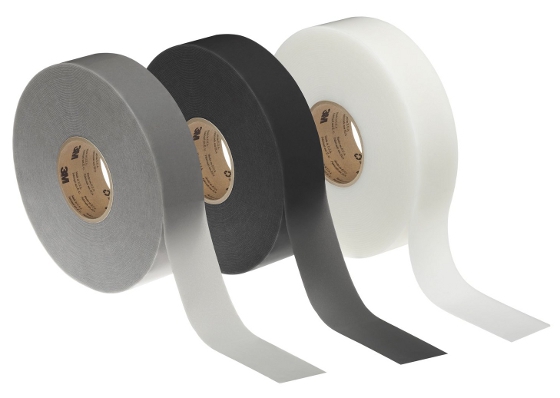
3M™ Extreme Sealing Tape bonds instantly to a variety of substrates to create a water-tight seal. It is ideal for outdoor applications such as HVAC equipment and roof sealing on trucks and trailers. [Credit: Engineered Materials]
Selecting the right PSA tape product can be a straightforward process when the texture, contour, surface energy of the substrate, operation environment, and surface contaminant status are understood.
VIDEO: A few more considerations when choosing pressure sensitive adhesives. [Credit: Engineered Materials]
Interested in learning more? Go to the Engineered Materials website at engineeredmaterialsinc.com.
Still have questions? Email Matt Tempelis, President, Engineered Materials.
Published June 2024
Rate this article
View our terms of use and privacy policy